Car Dent Repair in Sunnyvale
Professional Bodywork for Door Dings and Parking Lot Damage
In Sunnyvale, car dents from door dings, shopping cart impacts, and minor parking lot collisions happen daily at Whole Foods off Mathilda or in the parking structure at Valley Fair Mall.
This page walks you through car dent repair, when dents can be repaired without repainting, how traditional bodywork fixes dents, and how insurance covers dent repair costs.
Most car dent repairs take 3 days depending on dent size, location, and how much repainting is required.
We’re a Diamond Certified collision repair shop with over 1,000 5-star reviews that’s completed over 30,000 repairs, and we include a FREE $289 interior and clay bar wax exterior detail including car dent repair for Honda, Toyota, BMW, Ford, and many other manufacturers backed by our lifetime workmanship warranty.





When Car Dents Can Be Repaired
Most minor to moderate car dents can be repaired using traditional bodywork techniques.
The decision to repair depends on dent contour, severity, access to the backside, and the panel material.
Common Repairable Dents
We repair these types of dents regularly
Door dings from other car doors in parking lots
Shopping cart impacts on doors, fenders, and quarter panels
Pole and pillar scrapes to the side of the vehicle (one of our most common dent types)
Minor collision damage
Dents where the metal can be reshaped without excessive stretching
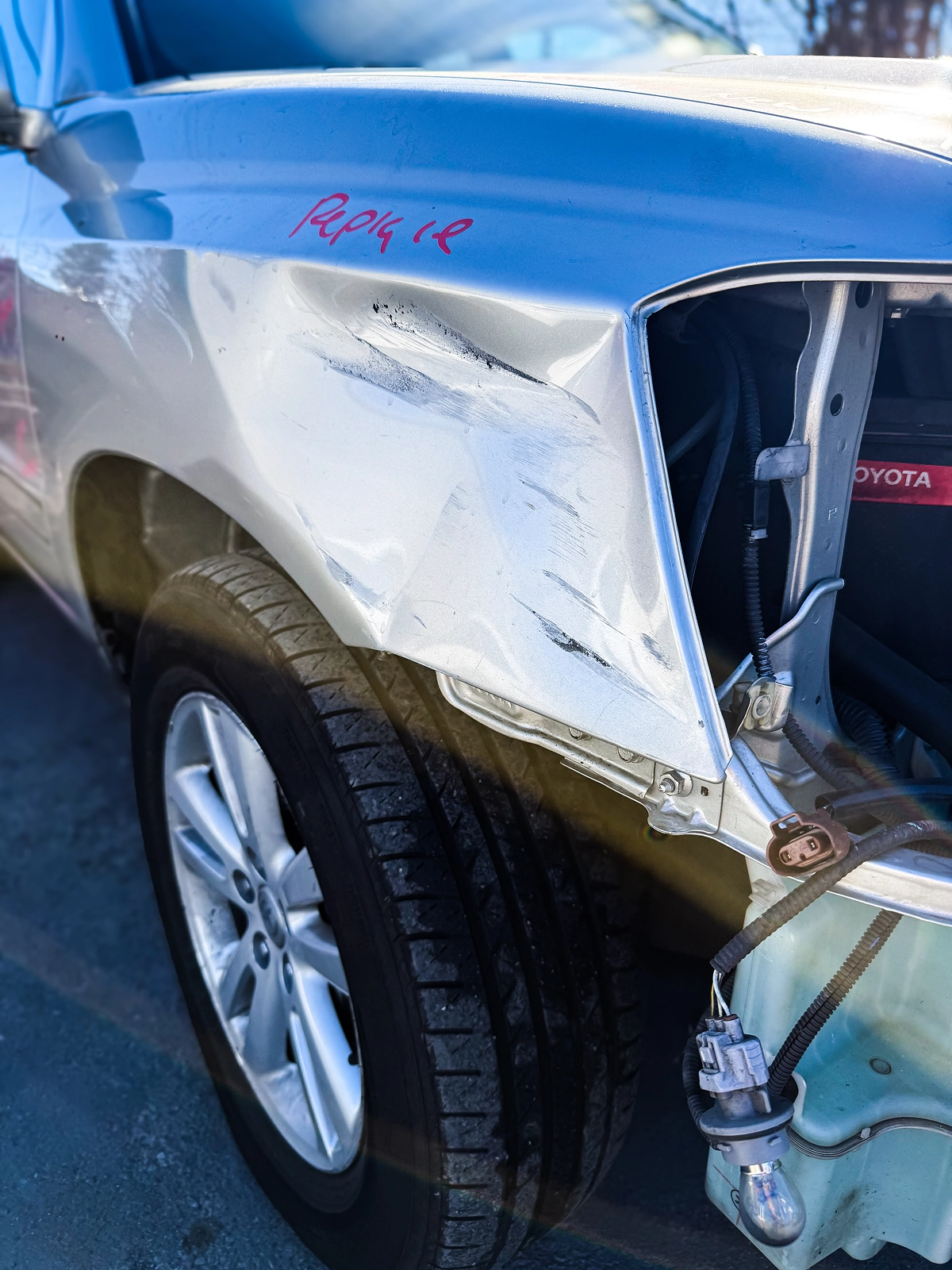
If the dent has reasonable contour, the metal isn’t torn, and there’s access to the back of the panel, repair is usually the best option.
The severity of the dent matters less than the metal’s condition and whether it can be worked back into shape.
What Makes a Dent Repairable
When Dents Are Too Severe
Contour – the panel contours that must be sculpted back to original shape
Severity – how much the metal stretched or deformed and how big the affected area is
Access – whether we can reach the backside of the panel
Material – steel dents repair differently than aluminum dents
Steel panels are more forgiving and easier to reshape, while aluminum requires specialized techniques and sometimes forces replacement.
We assess every dent and provide transparent recommendations on repair versus replacement based on these factors.
Four factors determine if a dent can be repaired:
Some dents involve torn or excessively stretched metal that can’t be safely reshaped, which requires panel replacement instead of repair.
Can Dents Be Fixed Without Repainting?
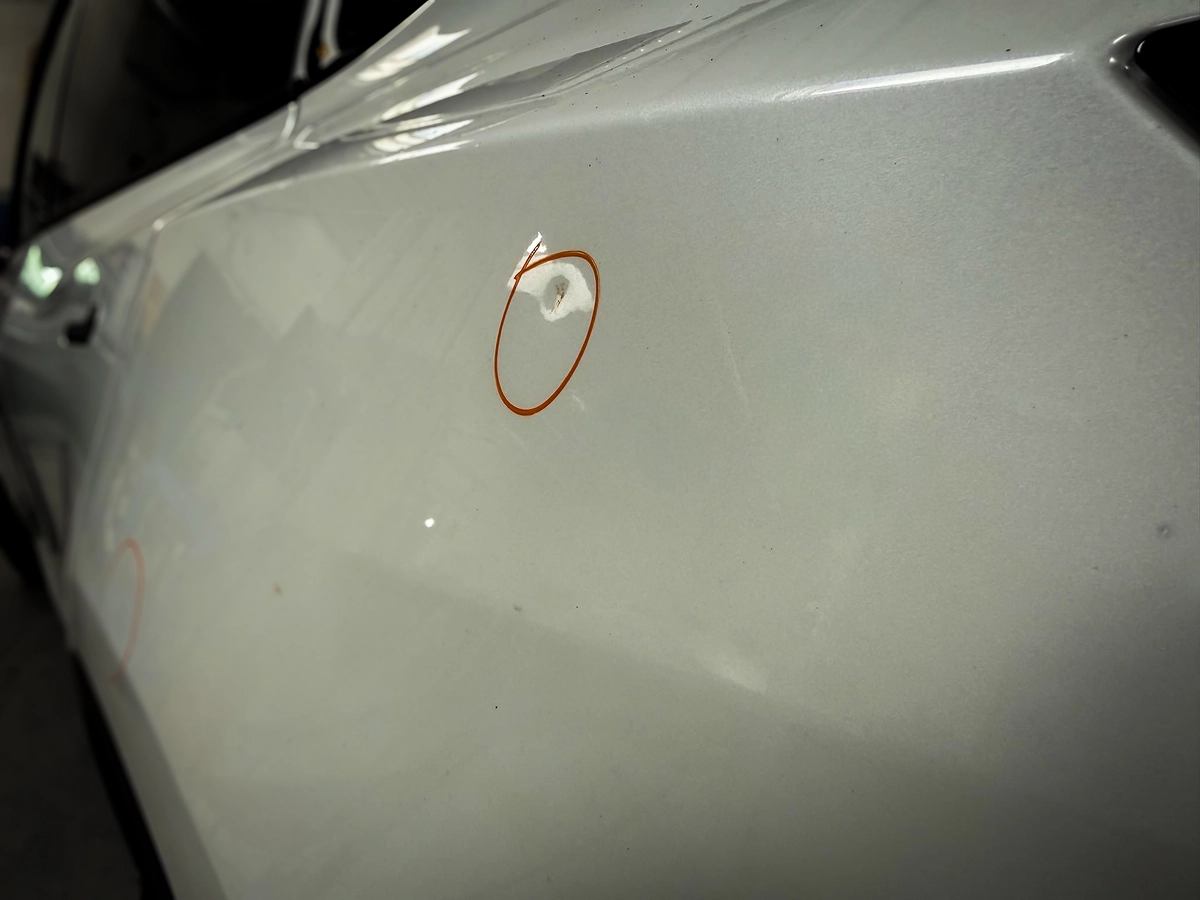
Most car dents require repainting after repair because the paint is scratched, chipped, or cracked during the impact.
Even if the paint looks intact, the bodywork process (sanding, filling, shaping) removes the original paint and requires repainting for protection and appearance.
Paintless dent repair (PDR) is the only method that preserves original paint, but it only works on very specific shallow dents with no paint damage.
If your dent has any visible paint damage, repainting is required after repair.

How We Repair Car Dents (Traditional Bodywork)
Car dent repair uses traditional bodywork techniques to reshape metal and restore the panel’s original contour.
The process depends on dent severity, panel material, and access to the backside.
Assessing the Dent
Before repair begins, we assess the dent’s severity, contour, access, and material to determine the best repair approach.
We check for paint damage, metal stretching, and whether the backside of the panel is accessible.
This assessment determines whether we repair the dent, replace the panel, or use a combination of techniques.
Metal Working Techniques for Dent Repair
The specific technique depends on the dent type and panel material:
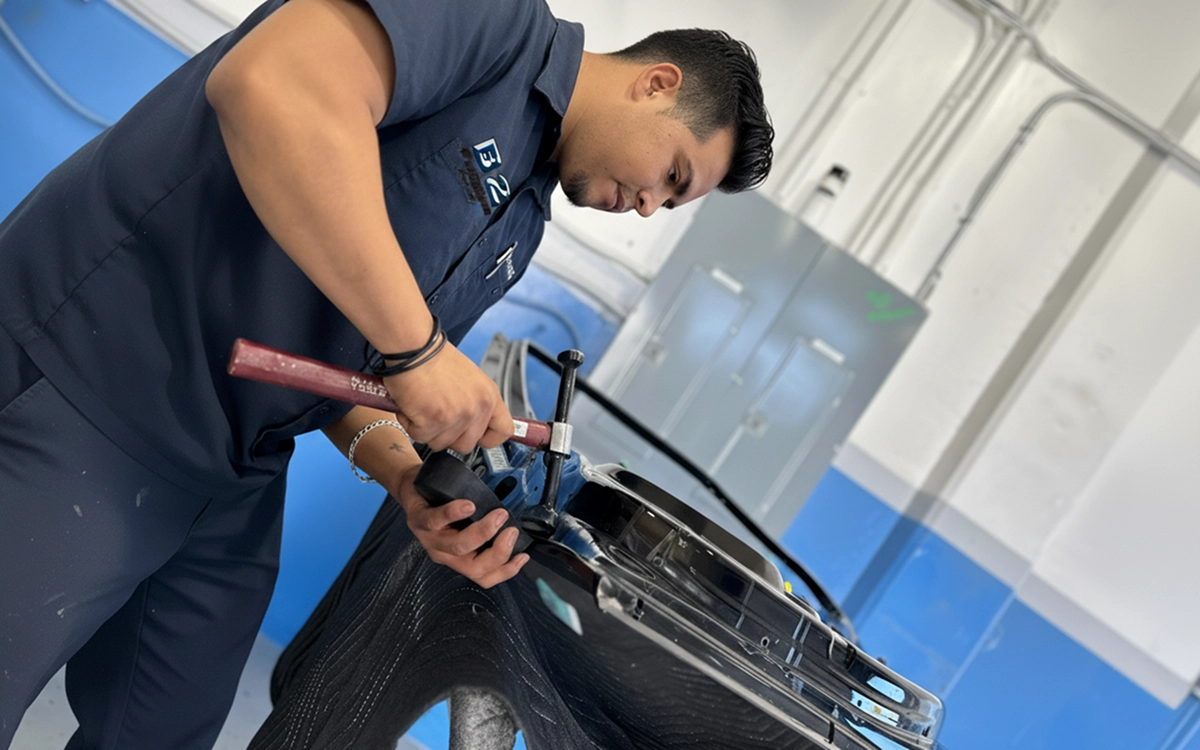
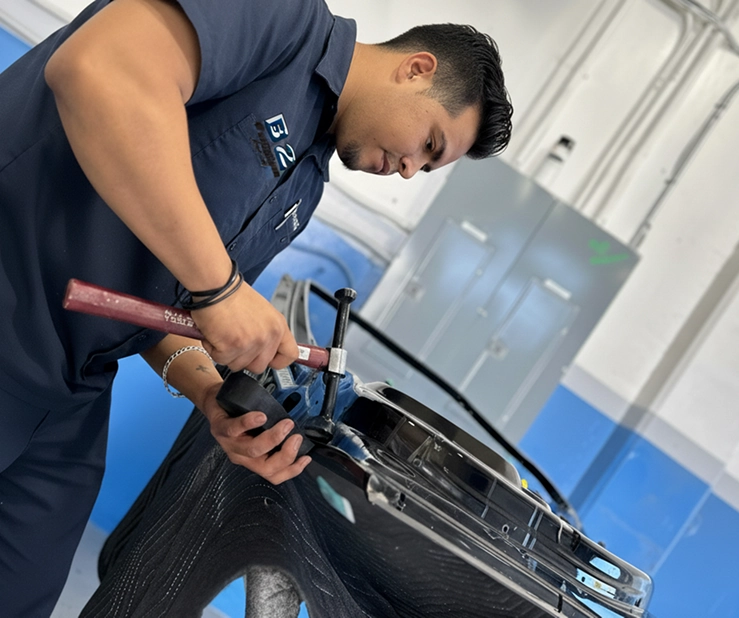
Hammer-on-dolly and hammer-off-dolly – For high spots, hammer-on-dolly places the dolly directly behind the dent and the hammer strikes the metal on the dolly. For low spots, hammer-off-dolly places the dolly offset from where the hammer strikes, which lowers high spots by stretching the metal slightly.
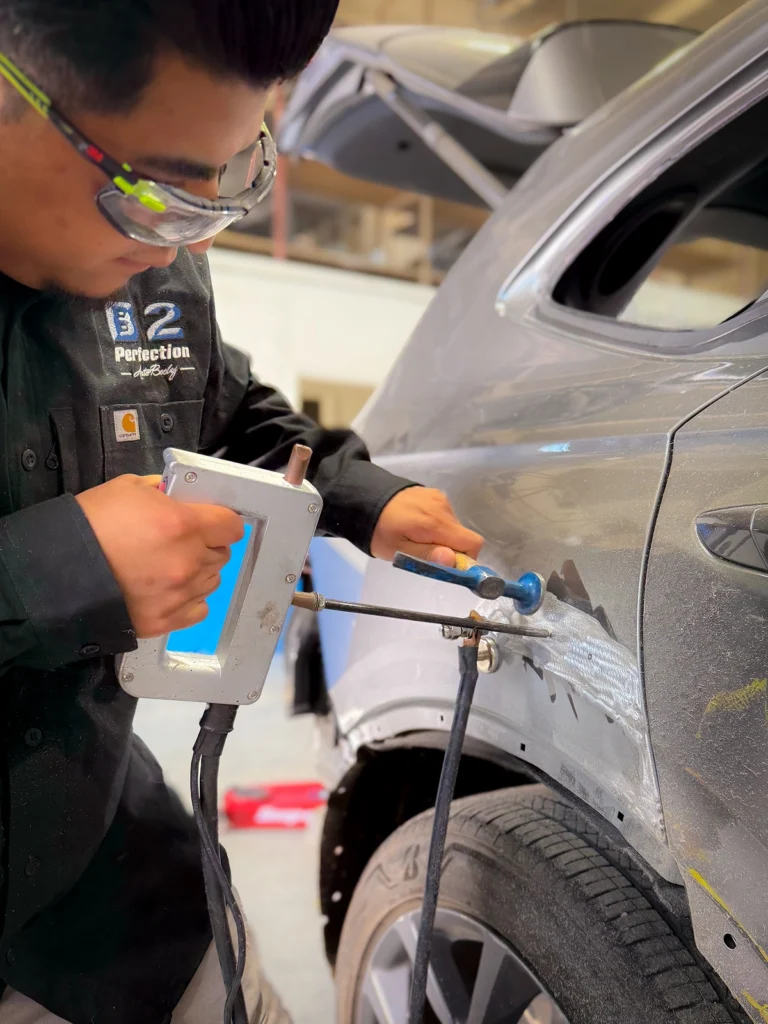
Stud welding with dent puller – For dents without backside access (like quarter panels), we use a dent puller machine that creates a little temporary small weld to the panel so the technician can pull from the front side. The little repair weld is broken and performed again and again until the panel’s contour is roughly restored. This technique is especially useful on bodylines.
Heat shrinking (steel only) – For overstretched mild steel, we apply light heat within OEM guidelines to shrink the metal back to its original contour (never used on aluminum or high-strength steel)
Material-Specific Considerations
Mild steel has great memory and can often be returned to its original contour using hammer-on-dolly, hammer-off-dolly, and controlled heat.
High-strength steel (HSS) has poor contour memory and stays stretched after impact, so repairs focus on controlled pulling with limited or no heat.
Aluminum stretches easily and cannot be worked aggressively or heated like steel, requiring slow, controlled pushing and pulling in a dedicated aluminum work area with aluminum-only tools.
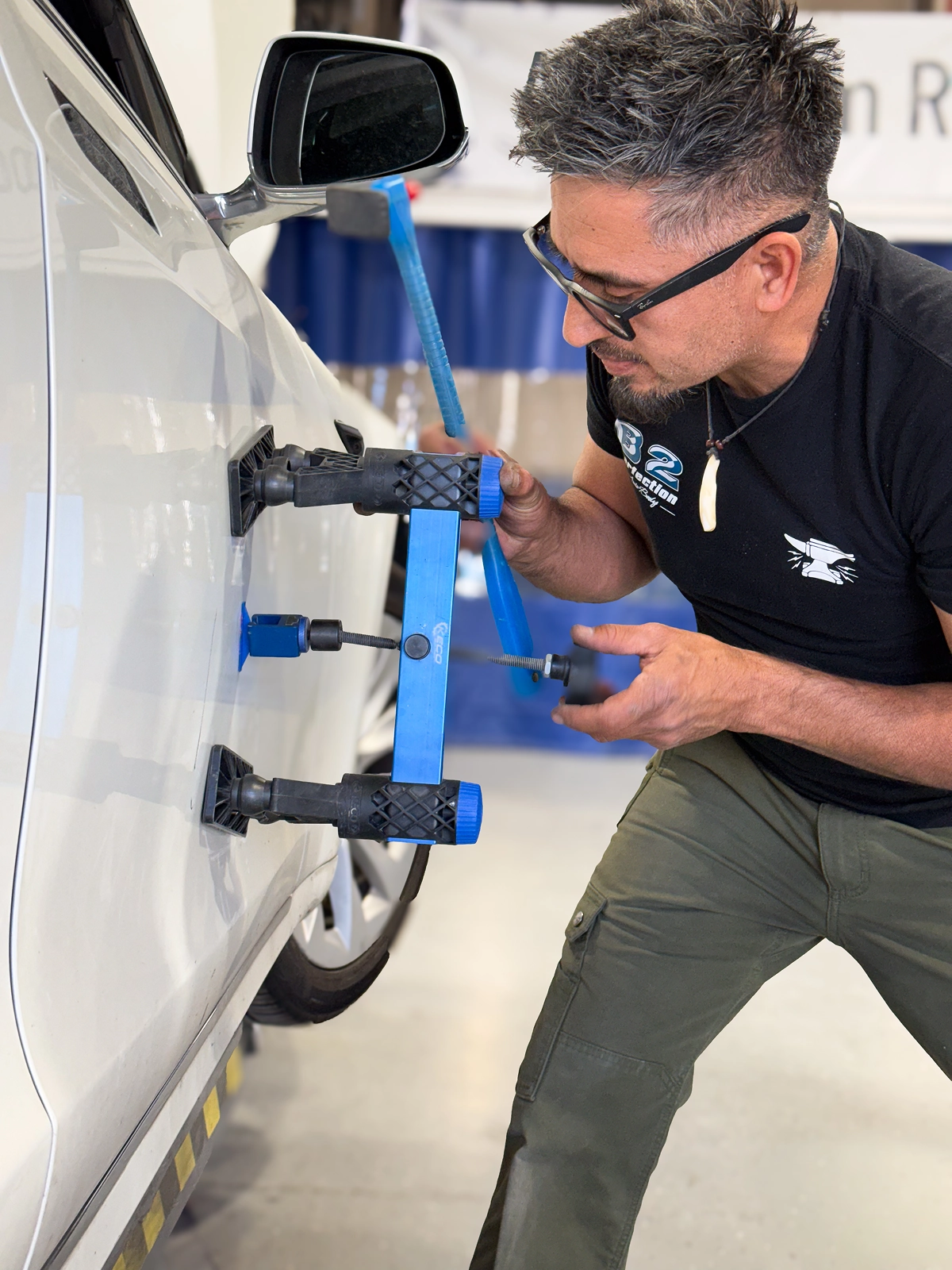
Plastic Working Techniques (Bumper Dents)
Plastic bumpers use different repair techniques than metal panels.
Dented bumpers are repaired by heating and reshaping the plastic back to its rough contour, then using two-part epoxy resin to rebuild deformed areas.
Once the epoxy cures, the surface is sanded smooth and sculpted back into the OEM shape before paint prep and primer.
However, textured plastic bumpers must always be replaced because the grained texture cannot be recreated accurately after damage.
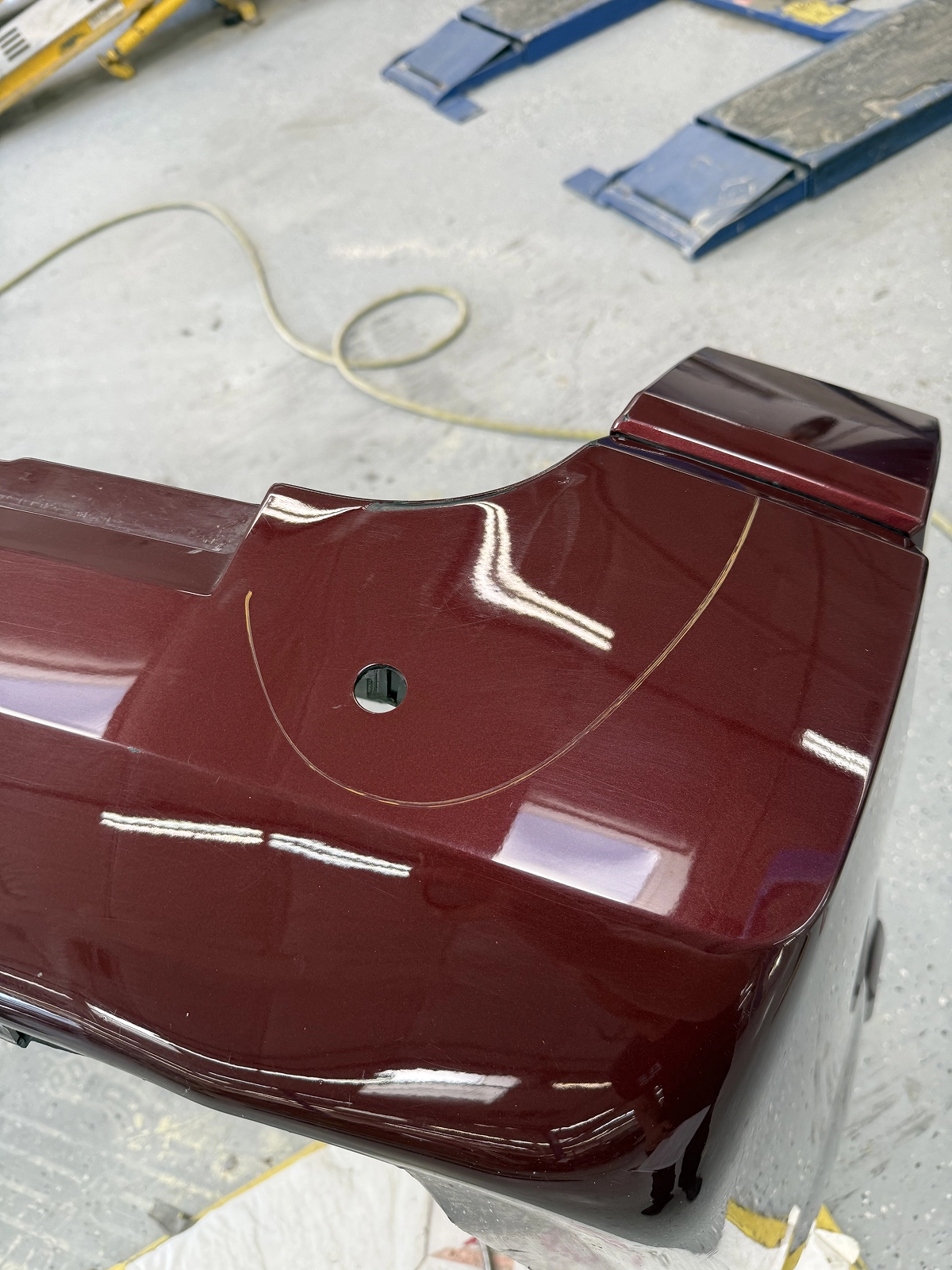
Body Filler and Finishing
After metalwork restores most of the contour, we apply thin layers of body filler (typically 1/8 inch or less) to smooth remaining imperfections.
Good bodywork uses minimal filler because the metal has been properly reshaped first.
Corrosion Protection
After dent repair, we apply corrosion protection to prevent rust on exposed or repaired metal.
Cavity wax is applied to the panel backside because heat from metalwork and welding disturbs the backside panel’s anti-corrosive properties.
This protection prevents moisture from causing rust inside the panel where you can’t see it.
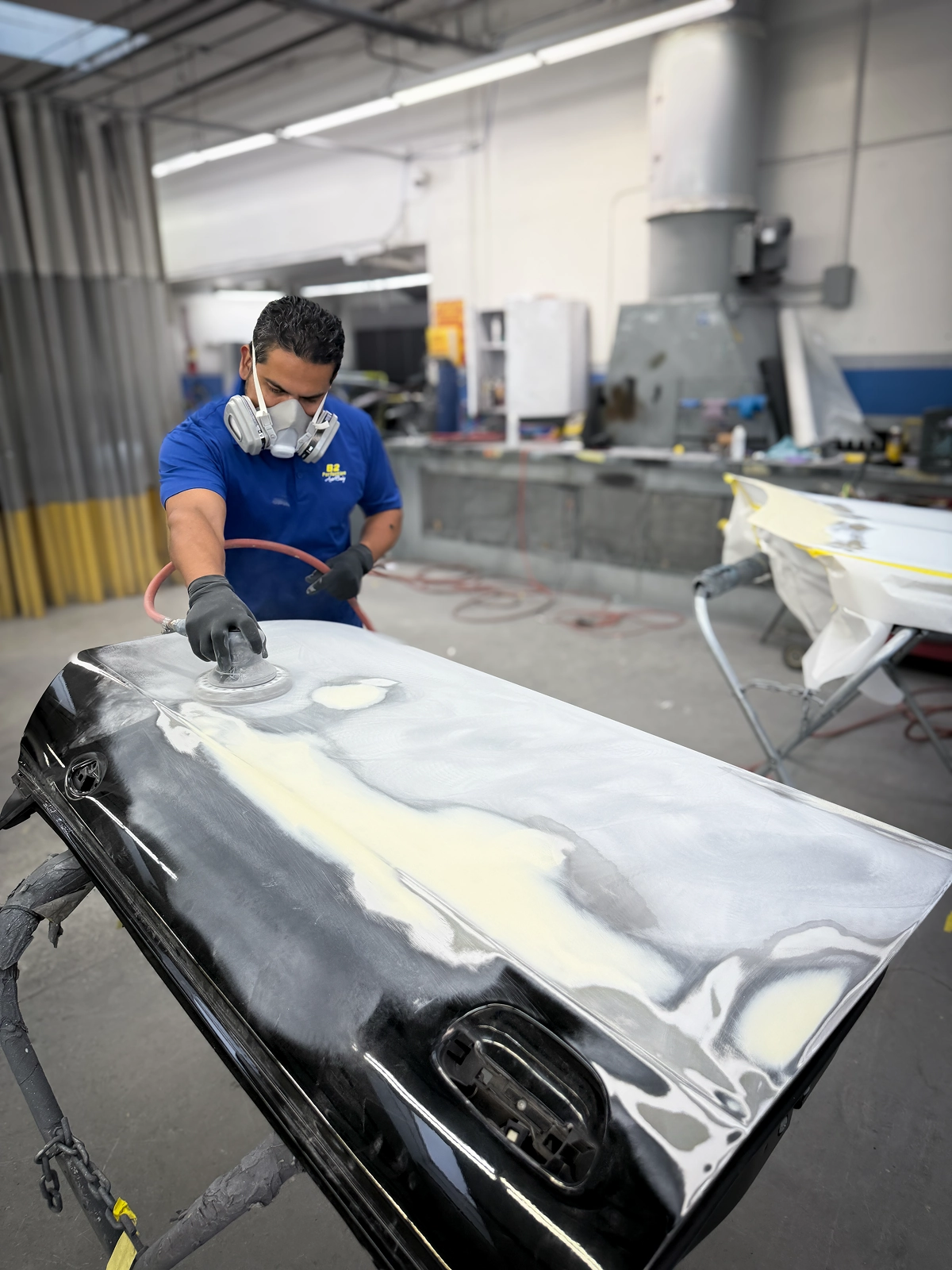
Priming and Painting
Once the surface is smooth, we apply primer to protect the bare metal and repair area and provide adhesion for paint.
The panel is then painted to match your vehicle’s factory color, blended into adjacent panels, and clear coated for a factory-level finish.
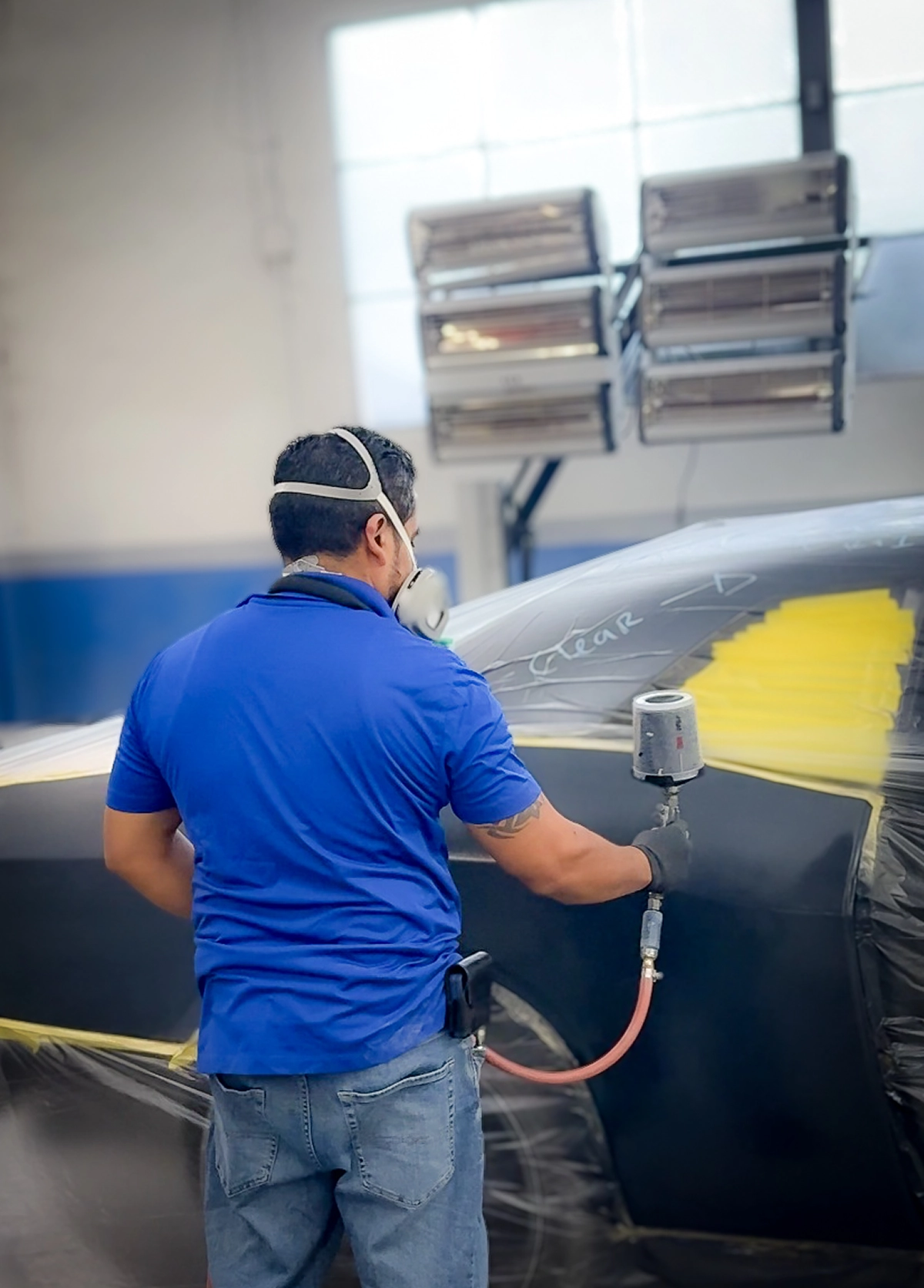
Why Traditional Bodywork Handles Real-World Dents
Traditional bodywork handles the dents most drivers encounter: door dings with chipped paint, shopping cart impacts with scratches, and pole scrapes with gouged metal.
Unlike paintless dent repair (PDR), traditional bodywork doesn’t require perfect conditions, pristine paint, or shallow dents to fully restore.
It provides permanent results that restore your vehicle’s structure, corrosion protection, and appearance.
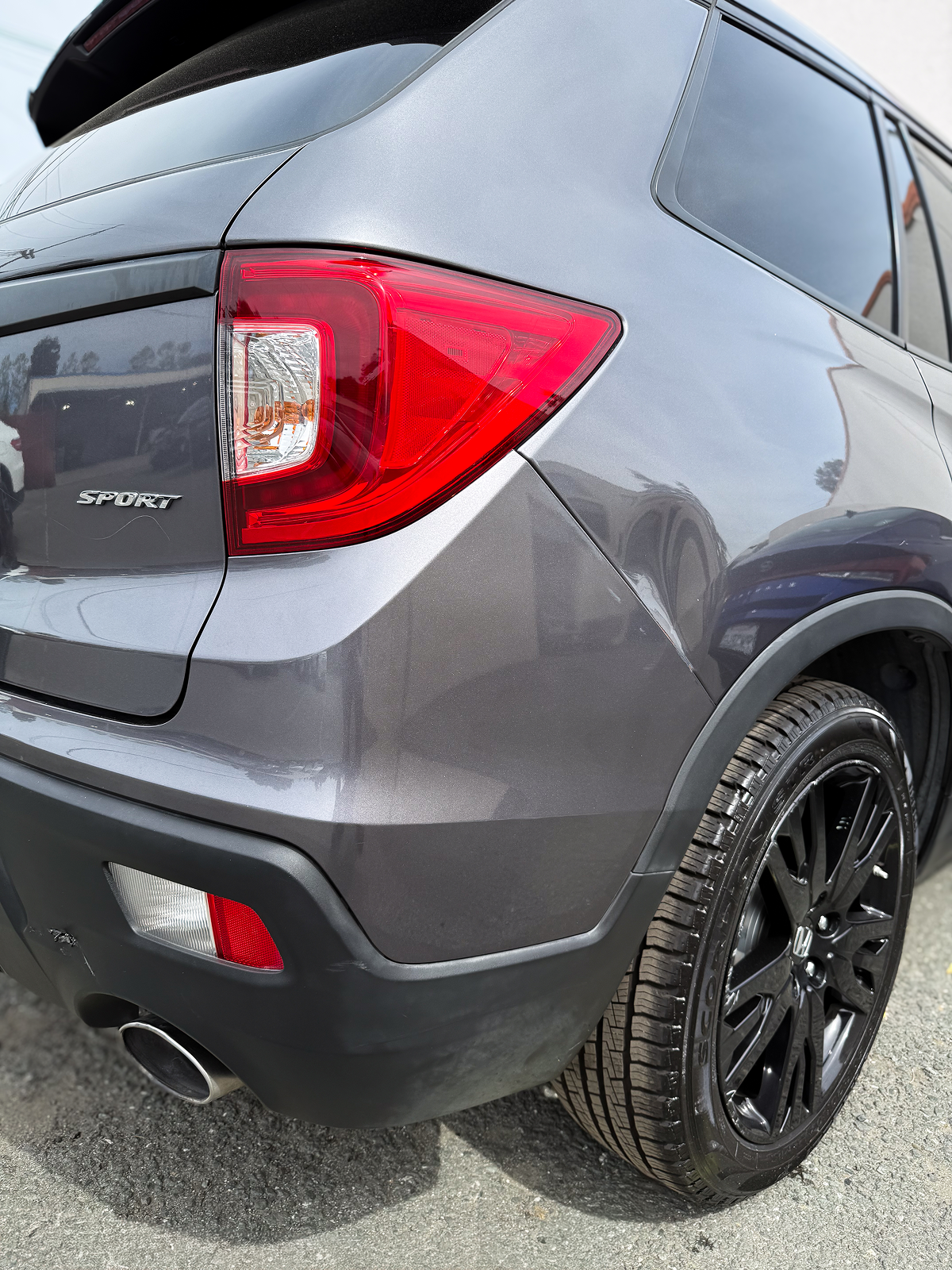
How Much Does Car Dent Repair Cost in Sunnyvale?
Car dent repair costs in Sunnyvale range from $750 to $1,700 depending on dent
size, location, panel material, and how much repainting is required.
Small door dings typically cost less than large dents that require extensive metalwork and paint blending.
Typical Car Dent Repair Costs
Small door dings
$750 to $1,500
Medium dents
$850 to $1,600
Large dents
$950 to $1,700
Multiple dents on one panel
$950 to $1,700
What Affects Dent Repair Cost
Several factors determine the final cost:
Paint blending – Dents remotely near adjacent panels require blending into adjacent panels (this is the biggest cost factor)
Dent size and depth – Larger, deeper dents require more metalwork and filler
Number of dents – Multiple dents on the same panel increase labor time
Repair Timeline
Most car dent repairs take 3 days depending on dent size, location, and how much repainting is required.
Small door dings may be completed in 3 days, while large dents with extensive metalwork and paint blending can take 3 to 5 days.
We provide transparent repair options & estimates that show metalwork costs, paint costs, and repair timeline so you understand exactly what options are available to you.
Insurance Covers Car Dent Repair (When the Claim Is Legit)
Drivers filing claims after collisions, parking lot damage, or door dings can use insurance to pay for car dent repair costs.
We find it advisable to use insurance whenever you’re not at fault as your insurance rates aren’t affected in California.
If you are at fault, filing a claim makes financial sense when repairs exceed around $2,500, the point where a possible rate increase typically wouldn’t be worth paying out of pocket.
Here's what you need to know:
We work with all insurance companies daily
Farmers / Zurich, AAA, Geico, Tesla Insurance, Progressive are just a few examples
Our team includes former insurance adjusters who understand how claims work
Insurance Recognizes Dent Repair as Covered Damage
Insurance companies recognize that car dent repair is covered damage when the dent results from a covered incident.
Door dings, shopping cart impacts, and parking lot collisions are all covered under collision coverage.
We document the damage severity and repair procedures so insurance companies understand exactly what’s required to restore your vehicle.
We work directly with adjusters to clarify repair needs and ensure all necessary work is approved.
We can guide you on whether filing makes financial sense based on your deductible and repair cost.
The choice is always yours.
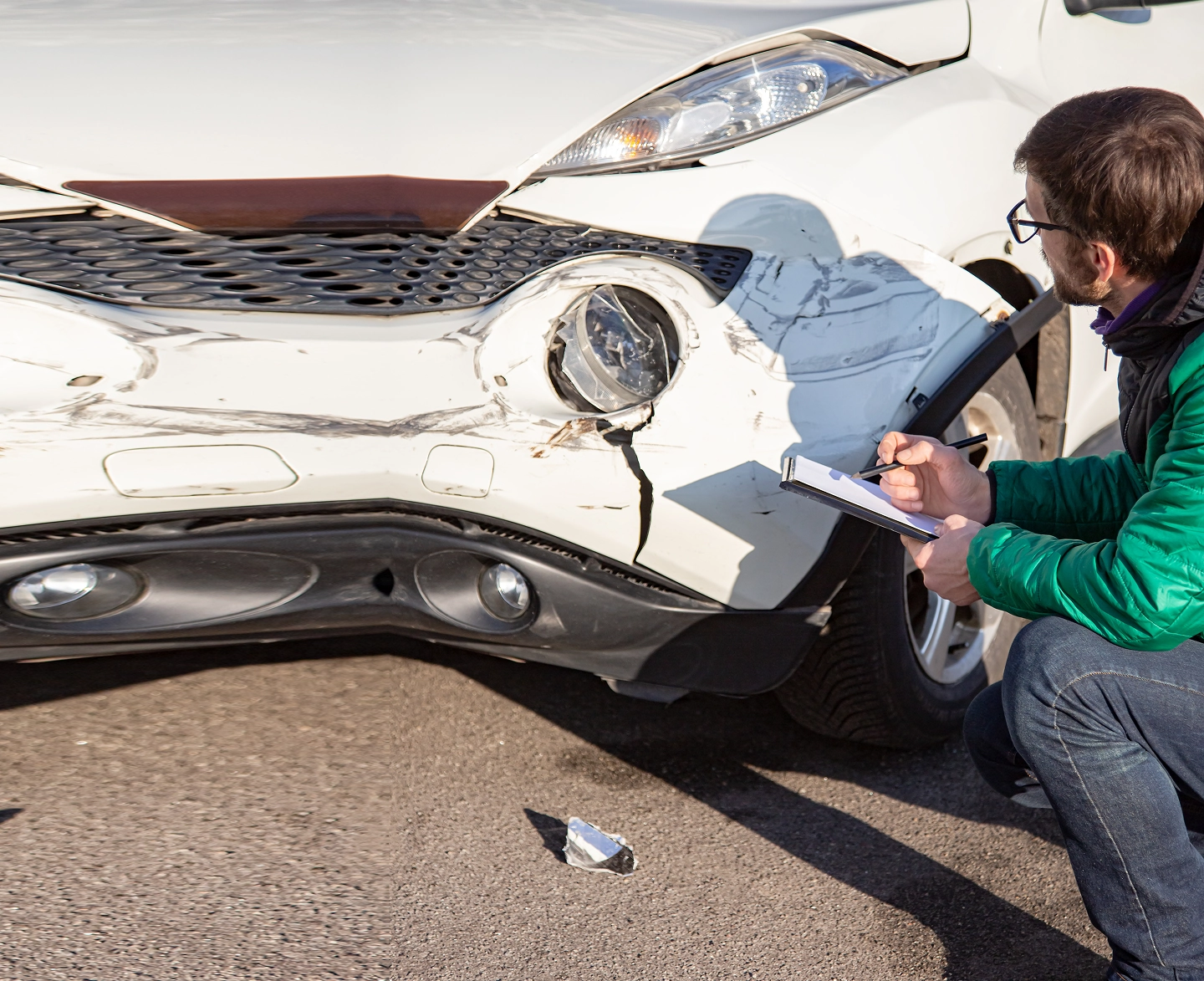
Frequently Asked Questions About Car Dent Repair in Sunnyvale
Car dent repair in Sunnyvale costs $750 to $1,700 depending on dent size, location, panel material, and how much repainting is required. Small door dings cost $750 to $1,500, medium dents cost $850 to $1,600, and large dents cost $950 to $1,700. The biggest cost factor is paint blending, as dents remotely near adjacent panels require blending into those panels. Aluminum dents cost slightly more (around 10%) because aluminum requires dedicated tools and gentler techniques.
Most car dent repairs take 3 days depending on dent size, location, and how much repainting is required. Small door dings may be completed in 3 days, while large dents with extensive metalwork and paint blending can take 3 to 5 days. The repair timeline depends on metalwork complexity, body filler application, priming, painting, and clear coat curing times. We provide transparent repair options and estimates that show the expected timeline so you understand when your vehicle will be ready.
Pouring boiling water on a plastic bumper dent can sometimes help the plastic become more flexible for reshaping, but it rarely fixes the dent completely and doesn’t address paint damage. This method only works on shallow plastic bumper dents with no paint scratches or cracks. Metal panels like doors, fenders, and quarter panels are not affected by boiling water because metal doesn’t soften from heat the way plastic does. Professional dent repair uses heating tools, repair techniques, and repainting to restore both the contour and appearance.
Yes, insurance covers car dent repair when the dent results from a covered incident like a collision, parking lot damage, or door dings. Door dings, shopping cart impacts, and parking lot collisions are all covered under collision coverage. We find it advisable to use insurance whenever you’re not at fault as your insurance rates aren’t affected in California. If you are at fault, filing a claim makes financial sense when repairs exceed around $2,500. We work directly with adjusters to clarify repair needs and ensure all necessary work is approved.
Most car dents require repainting after repair because the paint is scratched, chipped, or cracked during the impact. Even if the paint looks intact, the bodywork process (sanding, filling, shaping) removes the original paint and requires repainting for protection and appearance. Paintless dent repair (PDR) is the only method that preserves original paint, but it only works on very specific shallow dents with no paint damage. If your dent has any visible paint damage, repainting is required after repair.
Most minor to moderate car dents can be repaired using traditional bodywork techniques, but some dents are too severe and require panel replacement. Repairable dents include door dings, shopping cart impacts, pole and pillar scrapes, and moderate collision damage where the metal can be reshaped. Dents that involve torn or excessively stretched metal cannot be safely reshaped and require panel replacement instead. The decision to repair depends on dent contour, severity, access to the backside, and panel material.











We Serve Saratoga, Milpitas, and Silicon Valley Communities
We’re located in Sunnyvale on Wolfe and Kifer, next to Taco Bell and Apple (Wolfe Campus), and serve drivers throughout Silicon Valley.
Most customers reach us in about 15 minutes using Highway 85, Highway 280, or Highway 237.
Sunnyvale
Los Altos
Mountain View
Saratoga
Santa Clara
Campbell
Cupertino
Milpitas
San Jose
We offer free pick-up and drop-off so your car dent repair stays convenient no matter where you’re coming from.
Whether you’re dealing with door dings from parking at Whole Foods off Mathilda or dents from the parking structure at Valley Fair Mall, we handle car dent repair using traditional bodywork techniques backed by a lifetime warranty.
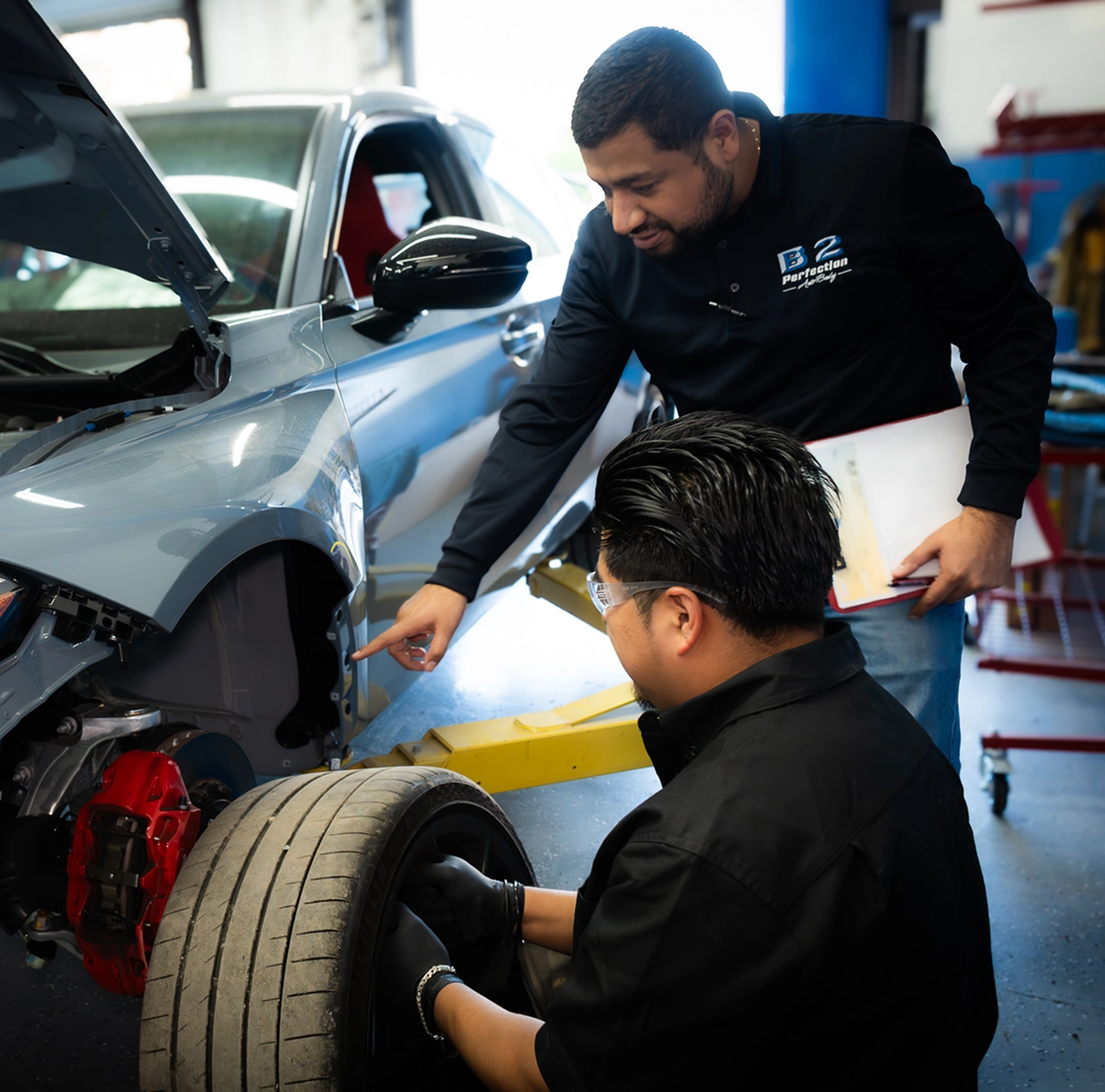
What our client’s are saying
3 Iron Clad Guarantees
Lifetime Workmanship Guarantee
Own it? Lifetime repair warranty.
Lease it? Guaranteed clean lease return or we fix it freeFlawless Finish Guarantee
If the paint match isn’t correct, we fix it free
Claim Vs Out-of-Pocket Guarantee
We help you decide claim vs. out-of-pocket, or escalate it to a insurance-experienced manager
Every Lifetime Guarantee Repair Comes With a $100 Reward For Future Repairs!

Customer Pay Repairs
20% Off Labor For Out-of-Pocket Repairs
Limited Time Offer
Offer ends:
Get high-quality repairs done right the first time. Claim your savings today and enjoy a smooth, hassle-free repair from start to finish.
Come Visit Us